Barbagia Unveiled: A Journey Through Sardinia’s Hidden Gem


Travel to Sardinia
Planning the perfect vacation is an adventure in itself, and if Barbagia—the lesser-known heart of Sardinia—is on your radar, you’re in for a truly unique experience. As an Italian, I can say this region feels like stepping into a more authentic, untouched side of the country. This guide is your ultimate roadmap to uncovering Barbagia’s rugged landscapes, ancient traditions, and thrilling activities, designed especially for adventure seekers. Get ready to dive into its untamed beauty and rich, deeply rooted culture!
Heads up: this page may include affiliate links. By clicking and/or purchasing, I may receive a small commission at no extra cost to you. I only recommend tools I have personally vetted.
👉Where I stayed:
- Santa Teresa di Gallura: Da Adriana Guesthouse 🅱️ Booking 🔗 🆃 Trip.com 🔗
- La Maddalena: Guest House Tra Rocce E Mare 🦉 Tripadvisor 🔗 🆃 Trip.com 🔗
- Cagliari: Rooms Loru 🅱️ Booking 🔗 🆃 Trip.com 🔗
- Galtellì: Tenuta Don Ballore 🅱️ Booking 🔗 🆃 Trip.com 🔗
- Alghero: Country Rooms 🅱️ Booking 🔗
Practical Information
Location
Barbagia is a mountainous and deeply authentic region located in the interior of Sardinia, far from the glamorous coastline. Stretching across the provinces of Nuoro and Ogliastra, it represents the island’s most traditional and untouched side—where ancient customs, rugged landscapes, and a strong cultural identity still thrive.
Unlike the coastal hotspots, Barbagia is all about dramatic mountains, remote villages, and a slower, more genuine way of life.
Transportation & Exploration
✈️ Flying to Sardinia: To reach Barbagia, you’ll first need to fly into one of Sardinia’s main airports:
- Cagliari Elmas Airport (CAG) – best for southern access
- Olbia Costa Smeralda Airport (OLB) – ideal for the northeast
- Alghero Fertilia Airport (AHO) – convenient for the northwest
All airports are well connected to cities like Rome and Milan, along with many European destinations.
👉 From there, Barbagia is typically a 1.5 to 3-hour drive, depending on your destination.
🚗 Renting a Car: Exploring Barbagia without a car is extremely difficult. This region is remote and mountainous, and many villages and natural sites are not served by public transport.
⚠️ Things to keep in mind:
- Roads are often narrow and winding
- Distances may look short but take longer than expected
- You might encounter livestock crossing the road
🚆 Trains & Buses: Public transport in Barbagia is very limited. Trenitalia connects major cities like Cagliari, Oristano, and Nuoro (indirectly).
⚠️ However, services are infrequent, especially on weekends, and they're not suitable for exploring remote villages or nature
Barbagia region of Sardinia
Supramonte Mountains
The Supramonte Mountains are among the wildest and most untouched landscapes in Sardinia, a place where nature still feels raw and untamed. This vast limestone massif is carved by deep valleys, dramatic cliffs, and hidden caves, offering endless opportunities for hiking and exploration. As you walk through its rugged terrain, you’ll pass through dense forests and rocky plateaus that suddenly open up to breathtaking views over the coastline.
✨ It’s a paradise for adventurers seeking solitude and authenticity, far from the island’s crowded beaches.
Best Hikes in the Supramonte
- Monte Corrasi (1,463 m / 4,800 ft): Starting from the village of Oliena, this challenging hike leads through steep, rocky trails into the heart of the Supramonte. As you ascend, the landscape gradually opens into a vast limestone plateau with a surreal, almost lunar appearance. From the summit, you’ll be rewarded with sweeping views that stretch from the Gennargentu Mountains all the way to the coastline near Dorgali.
- Monte Novo San Giovanni: Near Orgosolo, this hike offers a completely different perspective of the Supramonte. The mountain’s dramatic vertical walls create a striking silhouette, and the route rewards hikers with a circular panorama over the ancient forests of Funtana Bona. The contrast between dense woodland and bare limestone cliffs makes this one of the most visually impressive hikes in the region.
⚠️Despite its beauty, the Supramonte is a demanding environment. The terrain is extremely rugged, with sharp karst rock and very limited water sources, so carrying at least 3 liters (0.8 gallons) of water per person is essential. High-cut trekking boots are strongly recommended for ankle support, and because trail markings are often faded or incomplete, a GPS device or detailed topographic map is crucial. The white limestone also reflects intense sunlight, making proper sun protection necessary even outside peak summer months.
Su Gorropu
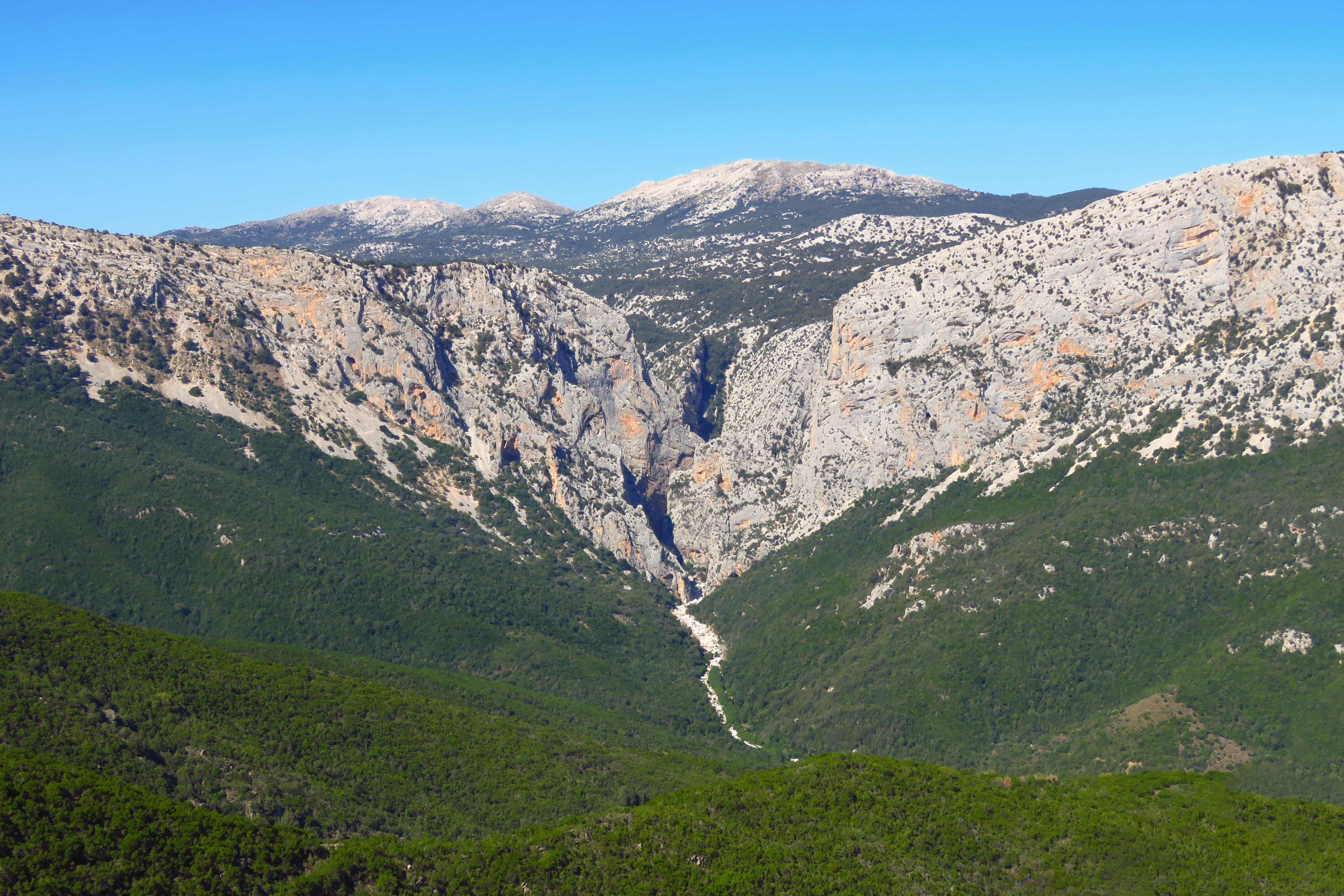
Known as one of Europe’s deepest canyons, the Gorropu Gorge is a place that leaves a lasting impression. Towering walls rise up to 400 meters (1,300 feet) on either side, creating a dramatic natural corridor of rock and silence. Reaching the gorge requires a rewarding hike through wild landscapes, and as you descend into it, the scale of the canyon becomes almost overwhelming.
✨ The terrain inside is rugged and challenging, but the experience of standing between such immense cliffs is unforgettable for anyone who loves nature and adventure.
🏔️ Several trails lead to the gorge, each offering a different experience, but I chose one of the most scenic options. The route begins near Hotel Gorropu🔗 and follows a panoramic path that gradually descends into the canyon. Along the way, you’re treated to sweeping views over the surrounding valleys before reaching the dramatic entrance of Gorropu Gorge. The hike involves around 650 meters (2,130 feet) of elevation change and typically takes about 3–4 hours round trip, depending on your pace and how long you spend exploring the gorge itself. Here🔗 is the trail map.
Orgosolo
The small village of Orgosolo is unlike any other in Sardinia, known for its powerful and expressive murals that cover the walls of houses and streets. These works of art, over 150 in total, reflect political struggles, social issues, and local identity, turning the entire town into an open-air museum. Despite its turbulent past, today it stands as a symbol of cultural pride and artistic expression.

Mamoiada
Mamoiada is one of the most culturally rich villages in Barbagia, best known for its ancient mask traditions. Walking through its quiet streets, you can feel a strong sense of identity rooted in centuries-old customs. The village is famous for the mysterious Mamuthones masks, which are still used during traditional festivals and rituals. Beyond its folklore, Mamoiada also offers a glimpse into rural Sardinian life, where vineyards, small farms, and local craftsmanship define the rhythm of everyday life.
Oliena
Nestled at the foot of the Supramonte mountains, Oliena is a village where nature and tradition blend seamlessly. It is particularly renowned for its production of Cannonau wine, one of Sardinia’s most iconic varieties, as well as for its olive oil and handmade goods. The historic center is made up of narrow streets and stone houses, offering an authentic atmosphere that feels untouched by mass tourism.

Fonni
Located at around 1,000 meters (3,280 feet) above sea level, Fonni is the highest village in Sardinia and offers a completely different perspective on the island. Surrounded by mountains and forests, it is known for its cooler climate, especially refreshing during the hot summer months. The village is decorated with colorful murals and traditional architecture, and it serves as a gateway to the Gennargentu range. In winter, it even becomes one of the few places in Sardinia where you can experience snow, adding to its unique charm.
Gavoi
Gavoi is a picturesque village that stands out for its peaceful atmosphere and strong connection to tradition. Its historic center is characterized by granite stone houses, narrow alleys, and quiet squares where daily life unfolds at a slow pace. Gavoi is also known for its cultural events, including literary festivals that bring a modern touch to this deeply traditional setting.
Taste Local Food & Wine
🍽️ Barbagia’s cuisine is as bold as its landscape. Savor hearty dishes like porceddu (roast suckling pig), culurgiones (stuffed pasta), and pane carasau (crispy flatbread).
👉 Here🔗 you find my full guide on what to eat in Sardinia
✨I highly recommend Cantina Fradiles🔗, their wines were exceptional, and we had an unforgettable time. Many agriturismi (farm stays) also serve meals prepared with locally sourced ingredients, offering a truly authentic farm-to-table experience.
👉 If you’re planning a full trip around the island, check out my 7-day Sardinia itinerary🔗 to see how to include Capo Testa and Valle della Luna in a complete route
Related Articles
| A Local's Guide: Best Food in Sardinia |
| The Gulf of Orosei: Sardinia’s Coastal Paradise |
| A local's travel guide for Alghero & Bosa Sardinia |
| 5 Unique Things to Do in Sardinia like a Local |